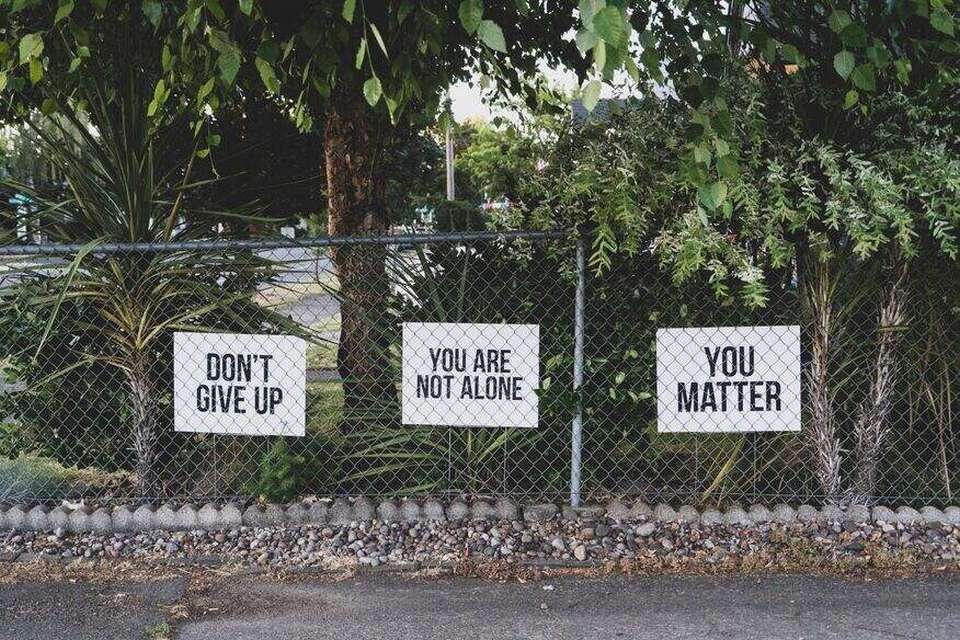
Although most of us think of caregiving for a loved one as a blessing, it is hard work that can lead to physical, emotional, and mental burnout. Caregiver burnout can lead to a diminished immune system, making it harder for you to recover from illnesses and raising your risk for cardiovascular disease and other conditions.
The responsibility of a caregiver may fall on many of us with aging parents, ill children, or disabled spouses. Learn how to balance the responsibility with self-care to recover and regain your physical and mental health from caregiver burnout.
What is caregiver burnout?
Caregiver burnout can develop when the stress of caring for loved ones becomes overwhelming without enough time to rest and recover physically, emotionally, and mentally. The strain you may feel spiritually and financially can also lead to caregiver burnout.
Without enough support or resources, you may feel as if you are suffocating. You may feel guilt and shame for feeling this way about the role of caregiver. Often, family members are called upon to care without pay or time off from their responsibilities. Many work full- or part-time jobs in addition to caregiving.
The signs of caregiver burnout can include:
- Irritability or mood swings
- Emotional outbursts
- Neglect of personal needs, like showering, shaving, applying makeup, or fixing hair
- Feeling overwhelmed
- Forgetfulness
- Fatigue
- Chronic illnesses from a weakened immune system
- Appetite changes
- Rapid weight gain or loss
- Sleep changes or sleep deprivation
Physical conditions can develop from long-term caregiver stress and high levels of cortisol. For example, you are at a higher risk of developing heart disease, high blood pressure, heart attack or stroke, obesity, Type 2 diabetes, depression, and anxiety.
If you have found yourself in this situation, take heart. You can recover from caregiver burnout.
Tips for Regaining Your Physical and Mental Health
Although it will take time, you can regain your physical, emotional, and mental health. You cannot lead a life of two hours of sleep a night for six months and expect that a full night’s sleep will fix sleep deprivation. It may take weeks or months for your body and brain to correct any imbalances. But you can commit to and practice the following tips consistently.
 Tap friends and family We become stressed when we try to do it all. Chronic stress can lead to illness. Ask your friends and family for help. Can you call someone to sit with your loved one while you grocery shop? Is there someone who can pick up prescriptions on the way home? The answer will always be no unless you ask.
Use resources Are you aware of the local resources for caregivers? You may have access to at-home meals, respite care, nurse-in-home visits, and more, depending on your situation. Check with local organizations to see what is available for you and your loved one.
Aim for good sleep quality One night of eight hours of sleep may not fix everything, but aiming for good quality sleep nightly can help your brain to recover and recharge from daily stressors. Try for seven to nine hours of sleep most nights. If that is impossible right now, try to get to sleep at night as soon as possible and take a quick nap during the day.
Create a quick and healthy menu Caffeine, added sugars, excessive alcohol consumption, and drug abuse can exacerbate depression and anxiety and promote weight gain. If you are short on time, create a menu list of quick meals you can make in the evenings.
Choose healthy ingredients such as lean proteins, fresh fruits and vegetables, whole grains, and healthy fats. When it is time to grocery shop for the week, choose seven lunches and dinners, add the items you need, and grocery shop, knowing that you will eat healthier fare and stick to a budget.
Spend twenty minutes walking daily Your brain needs a boost of endorphins, serotonin, and dopamine to help you feel balanced, content, and happy. You can give yourself this much-needed boost with just twenty minutes of walking or another type of exercise. Get your heart pumping to regulate your mood, help focus and concentration, boost the immune system, and increase strength, flexibility, and balance.
Give yourself a few months of self-care and reassess what is working and areas in which you may need more support.
Finding Support for Caregiver Burnout in McKinney, Texas
You do not have to do this alone. Help for caregiver burnout in McKinney, Texas is available. Contact us today at Texas Christian Counseling, McKinney to connect with a Christian counselor in McKinney, Texas. You can meet with a counselor in person or virtually. Your sessions can work around your caregiving commitments. Find resources and the skills you need to regain your physical, emotional, and mental health.
Photo:
“Weeds and Pond at Sunset”, Courtesy of A M, Unsplash.com, CC0 License
 Melissa Plantz: Author
Melissa Plantz is a Christian author and freelance writer. She spent twenty years in the pharmacy industry and has specialized in faith, fitness, nutrition, geriatrics, and mental health since 2015. She writes from the beautiful Lake Marion area in S...

DISCLAIMER: THIS ARTICLE DOES NOT PROVIDE MEDICAL ADVICE
Articles are intended for informational purposes only and do not constitute medical advice; the content is not intended to be a substitute for professional medical advice, diagnosis, or treatment. All opinions expressed by authors and quoted sources are their own and do not necessarily reflect the opinions of the editors, publishers or editorial boards of Stone Oak Christian Counseling. This website does not recommend or endorse any specific tests, physicians, products, procedures, opinions, or other information that may be mentioned on the Site. Reliance on any information provided by this website is solely at your own risk.