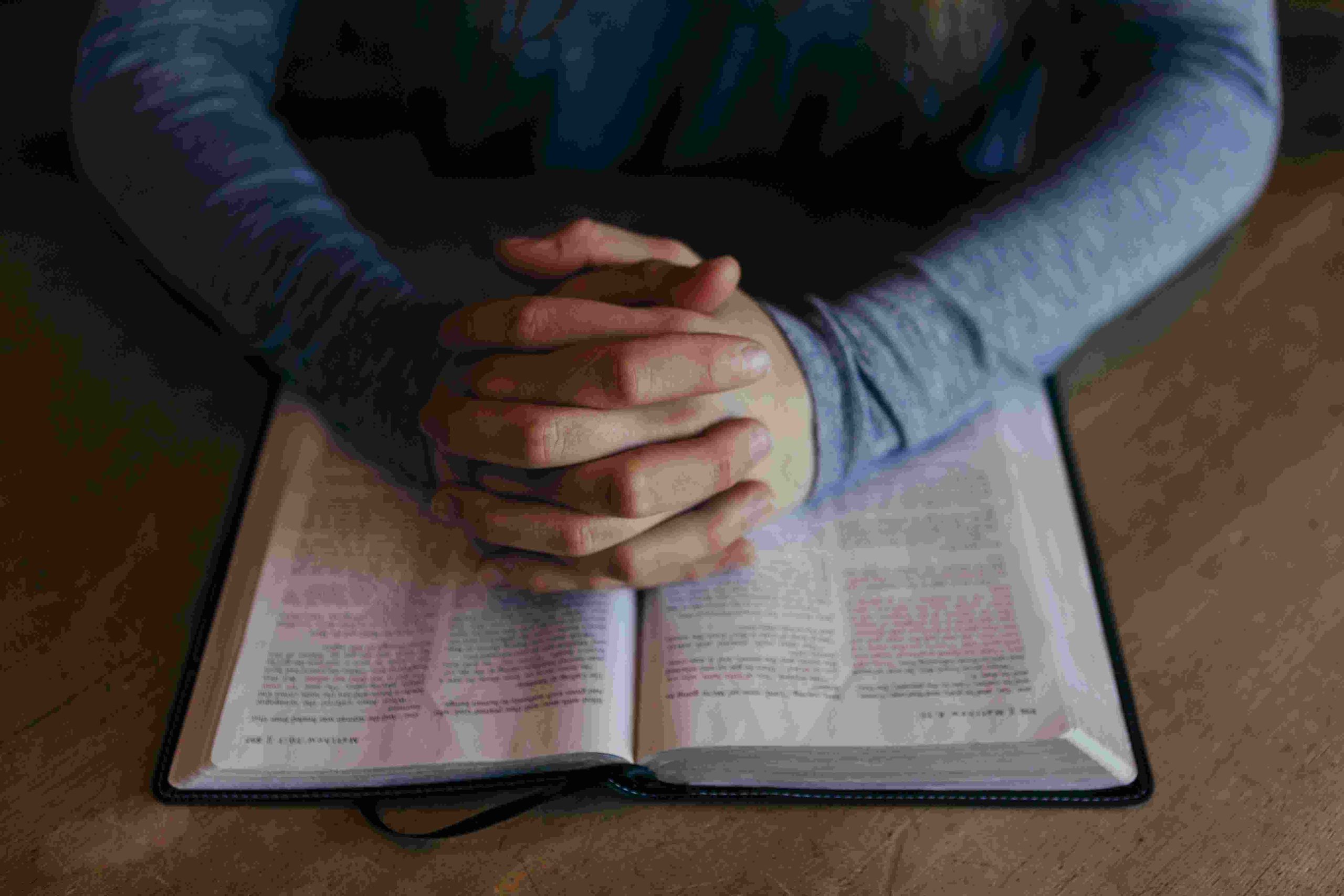
Life can be an unpredictable and winding path, taking you places you never thought you’d be. No one who sets off to get married does so thinking they want to get divorced, even if they know it’s a possibility. This could be doubly so for a believer who holds to their faith in Jesus and is walking in the biblical understanding and purpose of marriage. If this is you, how then do you cope in such circumstances?
The Challenges of Divorce as a Believer
Divorce is challenging. It marks the end of a relationship that may have spanned decades, brought children or grandchildren into the world, birthed many shared memories and experiences, and much else besides. Setting all of that aside is painful, and it entails a real loss, even if the marriage was dysfunctional and harmful.
For a disciple of Jesus, divorce carries this weight, but it also needs to navigate all that Scripture has to say about marriage. This includes the Lord’s will that marriages be permanent commitments between husband and wife (Matthew 19:6), and that ultimately marriage is a picture of Jesus’ relationship with His people, the Church (Ephesians 5:32).
 Scripture does make provision for divorce, such as if there’s adultery involved (Matthew 19:9), or if an unbelieving spouse chooses to walk away from the marriage (1 Corinthians 7:10-16). However, this doesn’t necessarily make it any easier, nor does it remove the stigma that often accompanies divorce in some communities of faith. This can make it even harder for a believer to contemplate divorce, let alone go through with it.
Coping with Divorce
Coping with divorce as a Christian can be a profoundly challenging journey, one that will likely test the core of your faith and emotional resilience. However, it is important to remember that you are not alone in this experience. Other believers have also, reluctantly and otherwise, walked this path and emerged stronger on the other side. You, too, can be led by the wisdom, love, and forgiveness of God.
As marriage is important in the Lord’s eyes, you must exhaust every option available to you before embarking on the path to divorce. Other people don’t necessarily have insight into your marriage the way you do, and so it’s ultimately up to you to work out when you’ve done what you can. Before taking that step toward divorce, you can find help from trusted, compassionate, and wise loved ones, as well as from a Christian counselor.
If you’ve worked through what you can do to turn your marriage around and have concluded that separation or divorce is the next best step, below are a few suggestions that may help you navigate this difficult time while maintaining your faith.
Seek spiritual guidance In every season, but particularly in moments of despair, prayer can be a powerful anchor for your soul. You can always talk to the Lord about your feelings, fears, and hopes. Ask for His comfort and guidance, trusting that He will hear you as His child.
Additionally, seeking counseling from a Christian counselor can provide you with invaluable support. A counselor who approaches things from a Christian perspective can offer you a safe space to explore your thoughts and emotions without judgment or criticism, providing you with guidance that aligns with your faith.
Spiritual guidance can also be sought from your pastor or a trusted church leader. They can be a source of strength and support for you during this time, offering you spiritual guidance, prayer, and a listening ear. Instead of pulling away from them, choose to engage with your church community during this time. This can provide you with a sense of belonging and the reassurance that you are not alone.
 Take self-care seriously Being mindful and taking care of yourself is crucial during this transition from marriage to divorce. It’s a stressful and painful process, making it even more important to prioritize your physical, mental, and emotional health.
You can do this by maintaining a regular exercise routine, eating a healthy diet, avoiding substances like drugs, and ensuring you get enough sleep.
Emotional self-care is equally important. Give yourself room to grieve and process feelings of sadness, anger, guilt, or relief. Take the time to engage in activities that bring you joy, practice gratitude, and remain patient with yourself as you heal. Connecting with supportive friends and family can also provide you with emotional comfort and a sense of security.
These habits can help you manage your stress levels and promote your overall sense of well-being.
Find support groups Walking alone during a trying time can make it more difficult. Look for a divorce support group in your area. Many churches and organizations offer these kinds of groups, providing you with a space where you can share your story and learn from others who have walked a similar path. This can be a transformative experience.
Some online communities and forums can also provide a sense of connection and support, and allow you to connect with people who have experienced similar situations.
Reflect on and cherish your faith Divorce can be taxing for your faith, for any number of reasons. You may be feeling broken, hopeless, abandoned, guilty, sad, or any other shade of emotion. There may be voices in your life questioning your faith and commitment to the Lord and your marriage. These must all be sifted and weighed according to the truth of the Gospel and the reality of your situation.
Divorce does not define your worth or limit God’s love for you. It’s necessary to reflect on your faith to remind yourself of God’s love and forgiveness and help you focus on your relationship with Him. Use this time to deepen your faith and trust in the Lord, seeking forgiveness and healing for past hurts. Reflect on Scriptures such as Psalm 34:18, Psalm 51, Isaiah 41:10, and Romans 8:28 for comfort and guidance.
 Consider the practicalities Divorce has many practical aspects that need to be navigated well. Doing this can be overwhelming because you’re not only doing something you haven’t done before, but you’re doing it while you’re not at your best.
Start by seeking professional advice from a lawyer, financial advisor, or mediator to help you understand and manage the legal and financial implications of divorce. Even where the divorce is amicable, it will carry a cost. Prepare for your living and financial resources to shift considerably.
As you consider the upcoming changes, take the time to create a new routine that helps you adjust to your changing circumstances. Other things to note include taking care of logistics such as updating your address and notifying your bank and creditors about changes to your existing arrangements.
Coping with Divorce
Getting divorced isn’t simple or an easy step to take. You’re changing your life in irrevocable ways, and this is challenging on many levels, not least to your walk with the Lord. Whatever the nature of your marriage, there is no real choice that doesn’t come with a loss of some kind. You are setting aside your dreams, hopes, and the future you had hoped for yourself and your family. That’s a weighty decision.
The process of healing takes time, so be patient with yourself. Allow yourself to grieve and heal at your own pace, and remember that the Lord is with you, and He is gracious and compassionate. He loves us, forgiving and cleansing us from all unrighteousness (1 John 1:6-10).
Practicing mindfulness can help you focus on the present moment rather than worrying about the future or dwelling on the past. Help yourself by practicing self-compassion as you navigate this challenging time. Coping with divorce as a Christian requires patience, self-care, and a deepening of your faith. You are not alone, and there are resources available to support you during this challenging time.
You can reach out and talk to a Christian counselor who can walk with you in nurturing your faith in the Lord, sustaining healthy practices for your well-being, and coping well under the challenging circumstances of divorce. Contact me today to learn more.
“Broken Heart”, Courtesy of Kelly Sikkema, Unsplash.com, CC0 License; “Wedding Ring”, Courtesy of Engin Akyurt, Unsplash.com, CC0 License; “Breaking Up”, Courtesy of Curated Lifestyle, Unsplash.com, Unsplash+ License
 Jessica Gallant: Author
I believe no one should struggle alone and I commend anyone with the courage to reach out for help. As a Licensed Professional Counselor, I offer faith-based therapy for teens, adult individuals, and couples. With empathy, transparency, and honesty,...

- Kate Motaung: CuratorRecent Posts

DISCLAIMER: THIS ARTICLE DOES NOT PROVIDE MEDICAL ADVICE
Articles are intended for informational purposes only and do not constitute medical advice; the content is not intended to be a substitute for professional medical advice, diagnosis, or treatment. All opinions expressed by authors and quoted sources are their own and do not necessarily reflect the opinions of the editors, publishers or editorial boards of Stone Oak Christian Counseling. This website does not recommend or endorse any specific tests, physicians, products, procedures, opinions, or other information that may be mentioned on the Site. Reliance on any information provided by this website is solely at your own risk.