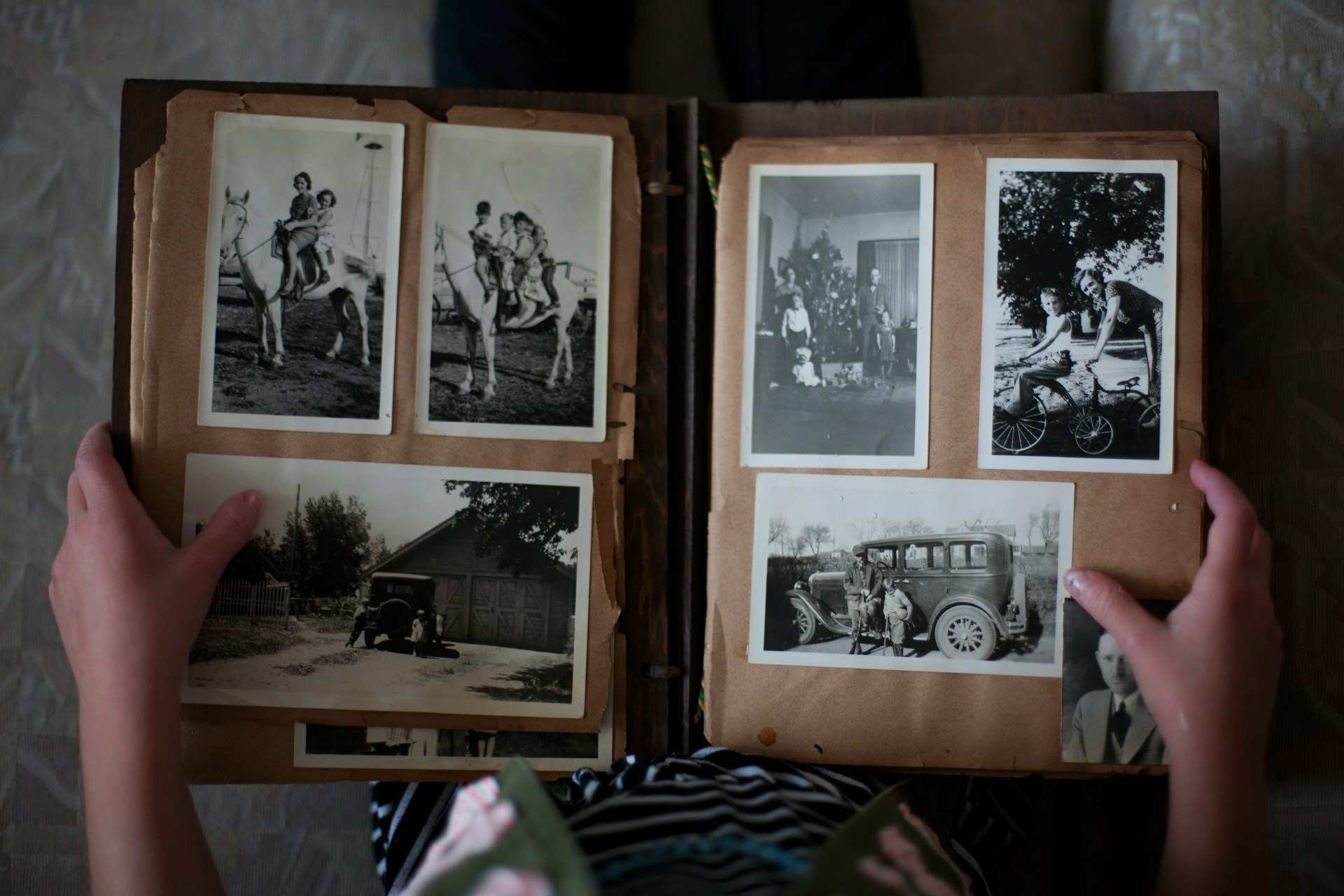
Family issues have a distinct way of echoing through time. Unresolved conflict, unspoken pain, or unhealthy patterns in one generation likely resurface in the next. The result is the shaping of a generation in how they understand relationships, process emotions, and view themselves. Family dynamics and mental health are connected, as seen in daily interactions. These interactions may be how they respond to stress, or the beliefs they carry about their worth in the future.
Whether it is recognized or not, what gets passed from one generation to the next shows up in real and lasting ways. The weight of those effects can quietly shape how a person sees themselves, how they relate to others, and whether they believe change is even possible. Understanding connection is the first step toward breaking a cycle that no longer serves anyone.
Proverbs instructs people on the importance of showing children good ways of living. “Start children off on the way they should go, and even when they are old they will not turn from it.” (Proverbs 22:6, NIV) Everyone should consider this to help each generation grow up well.
The Weight of What Gets Passed Down
It’s not just recipes or photo albums that families pass down from previous generations. Unaddressed trauma, patterns of communication, and coping mechanisms are also handed down — often without anyone realizing what is happening. A parent who learned to suppress emotions may raise children who do the same, and a grandparent’s anxiety about finances can create a legacy of scarcity.
These patterns become so familiar that they feel like personality traits rather than learned behaviors. What makes this process difficult is that many of the behaviors are never spoken out loud. They are absorbed through observation, quiet signals, and repeated responses that communicate what is acceptable.
 Family issues that are handed down can significantly impact mental health. When children grow up in homes with high levels of conflict, emotional neglect, or inconsistent caregiving, they are more likely to experience anxiety, depression, and difficulty forming healthy relationships in adulthood.
This leads to a lens that can shape how individuals interpret the world, depending on their family environment. A lens built by unresolved family issues can distort perceptions of safety, trust, and belonging for years to come. But we have hope in God’s promises: “The Lord is close to the brokenhearted and saves those who are crushed in spirit.” (Psalm 34:18, NIV)
When Silence Becomes the Loudest Message
Avoiding difficult conversations is one of the most common family issues that affects mental health throughout generations. Families who develop unspoken rules about discussion tend to push certain topics under the surface. This influences behavior and emotional response in ways that feel confusing to those who are experiencing grief, addiction, mental illness, abuse, or simple disappointments.
When children grow up in environments where emotions are dismissed or minimized, they find it difficult to identify and express their own feelings as adults. This may lead them to experience emotional numbness, difficulty setting boundaries, or have feelings of intense shame when they experience strong emotions. Instead of protecting the family, the silence has created an isolation that leaves each generation to face its own challenges alone rather than together.
Christian counselors work with individuals who are beginning to recognize how family patterns of silence have shaped their mental health. This process encourages the understanding that vulnerability isn’t weakness and that naming pain doesn’t make it worse. Christian counselors emphasize that God’s design for family includes honesty, communication, and mutual support.

The concepts of identifying false beliefs and working with people are biblical. “Therefore each of you must put off falsehood and speak truthfully to your neighbor, for we are all members of one body.” (Ephesians 4:25, NIV) This guides us and gives us hope in the process.
The Pressure to Repeat or Reject
Family issues that remain unaddressed will present difficult choices for future generations. These individuals can repeat the patterns they have witnessed or reject them entirely, but each choice will come with challenges. They find themselves repeating the patterns that create the same painful dynamics they have experienced. Rejecting everything about it can cause an individual to overreact and create new problems in their attempt to avoid old ones.
Adults who experience harsh discipline either replicate it with their own children or pivot to the opposite extreme, leaving them unable to set any boundaries. The underlying issue is the need to develop a thoughtful, intentional approach to family relationships based on health rather than rejection. However, neither of these approaches will address that underlying issue, so the healing process can’t begin.
The challenge of choosing to repeat or reject the patterns doesn’t just stop at parenting. Career choices, financial decisions, spiritual practices, and romantic relationships can become battlegrounds in which individuals either reenact or rebel against the family patterns of their past. Those who grew up in a home where faith was a tool of control often walk away from it, and others hold on tightly without ever examining what they actually believe.
Christian counselors help individuals navigate this terrain by exploring a path of healing and transformation, one that honors what was good while releasing what was harmful. This isn’t about assigning blame to the previous generation. It is about developing an honest understanding of where certain patterns came from and making a clear decision about where they will stop.
Creating New Patterns for Future Generations
To break generational cycles of family issues, individuals must be intentional, put in effort, invest time, practice self-awareness, and sometimes seek professional support. The starting point is recognizing that what feels normal isn’t necessarily healthy, and choosing a different path isn’t a betrayal of family.
Through this process, individuals will need to examine beliefs, behaviors, and emotional responses with honesty. They must learn to identify which patterns support well-being and which perpetuate harm.
Seeking professional help when family issues have created lasting impacts on mental health is important in processing pain, developing new skills, and building healthier patterns. This can feel unfamiliar at first, like trying to operate with an entirely different set of tools that includes emotional honesty, appropriate boundaries, and the capacity to give and receive support.
It is important to note that the work put into creating new patterns takes time. Patterns do not shift overnight after years of building. This is simply the nature of meaningful change, not an indication of failure.
The goal is to learn how to address the challenges that every family and generation faces. When family issues come into the light, they are met with appropriate support and discussed with compassion, and they no longer have the strength to dictate the future. Christian counselors work with families to create environments where mental health can flourish, patterns shift, and future generations develop tools for healing the pain that they inherited.
 Isaiah reminds us how God does new things, even when we don’t expect it:
See, I am doing a new thing! Now it springs up; do you not perceive it? I am making a way in the wilderness and streams in the wasteland. – Isaiah 43:19, NIV
Learn to Break the Cycle of Family Issues
Family issues and mental health across generations have a connection that is both heavy and full of promise. It is sobering because it reveals how deeply past pain can reach into the present. It is hopeful because it shows that change is possible. With awareness, support, and intentional effort, families can create a new dynamic that promotes mental health rather than undermines it.
The cycle can be broken, and inheritance can change. Future generations do not have to receive a legacy of pain when they are given the tools to obtain the legacy of healing, resilience, and hope in Christ, transforming love. “Therefore, if anyone is in Christ, the new creation has come: The old has gone, the new is here!” (2 Corinthians 5:17, NIV)
If family issues have shaped your mental health from past generations, you do not have to navigate the situation alone. Christian counselors are trained to help individuals understand the complex ways that family issues shape mental health and well-being.
You can reach out to our reception team to schedule an appointment with counselors who understand family dynamics and generational patterns.
https://www.psychologytoday.com/us/basics/parenting
https://www.verywellmind.com/what-is-emotional-invalidation-5193102
https://psychcentral.com/lib/adverse-childhood-experiences-how-aces-affect-our-lives
https://www.webmd.com/mental-health/what-to-know-about-generational-trauma
https://www.verywellmind.com/how-to-break-the-cycle-of-family-trauma-5191001
https://www.psychologytoday.com/us/blog/the-couch/202012/breaking-unhealthy-family-patterns
Photos:
“Group of Hands,” courtesy of Filipp Romanovski, Unsplash.com, CCO License
“Old Family Photo,” courtesy of Brett Jordan, Unsplash.com, CCO License
“Therapy Session,” courtesy of Hrant Khachatryan, Unsplash.com, CCO License
 Brooklynn Sanders: Author
As a Christian counselor, my practice is guided first and foremost by my faith and commitment to being a disciple of the Lord. Clients will benefit from my trauma-informed expertise and extensive experience working with high-conflict cases. I have ex...
Recent Posts

- Kate Motaung: Curator

DISCLAIMER: THIS ARTICLE DOES NOT PROVIDE MEDICAL ADVICE
Articles are intended for informational purposes only and do not constitute medical advice; the content is not intended to be a substitute for professional medical advice, diagnosis, or treatment. All opinions expressed by authors and quoted sources are their own and do not necessarily reflect the opinions of the editors, publishers or editorial boards of Stone Oak Christian Counseling. This website does not recommend or endorse any specific tests, physicians, products, procedures, opinions, or other information that may be mentioned on the Site. Reliance on any information provided by this website is solely at your own risk.