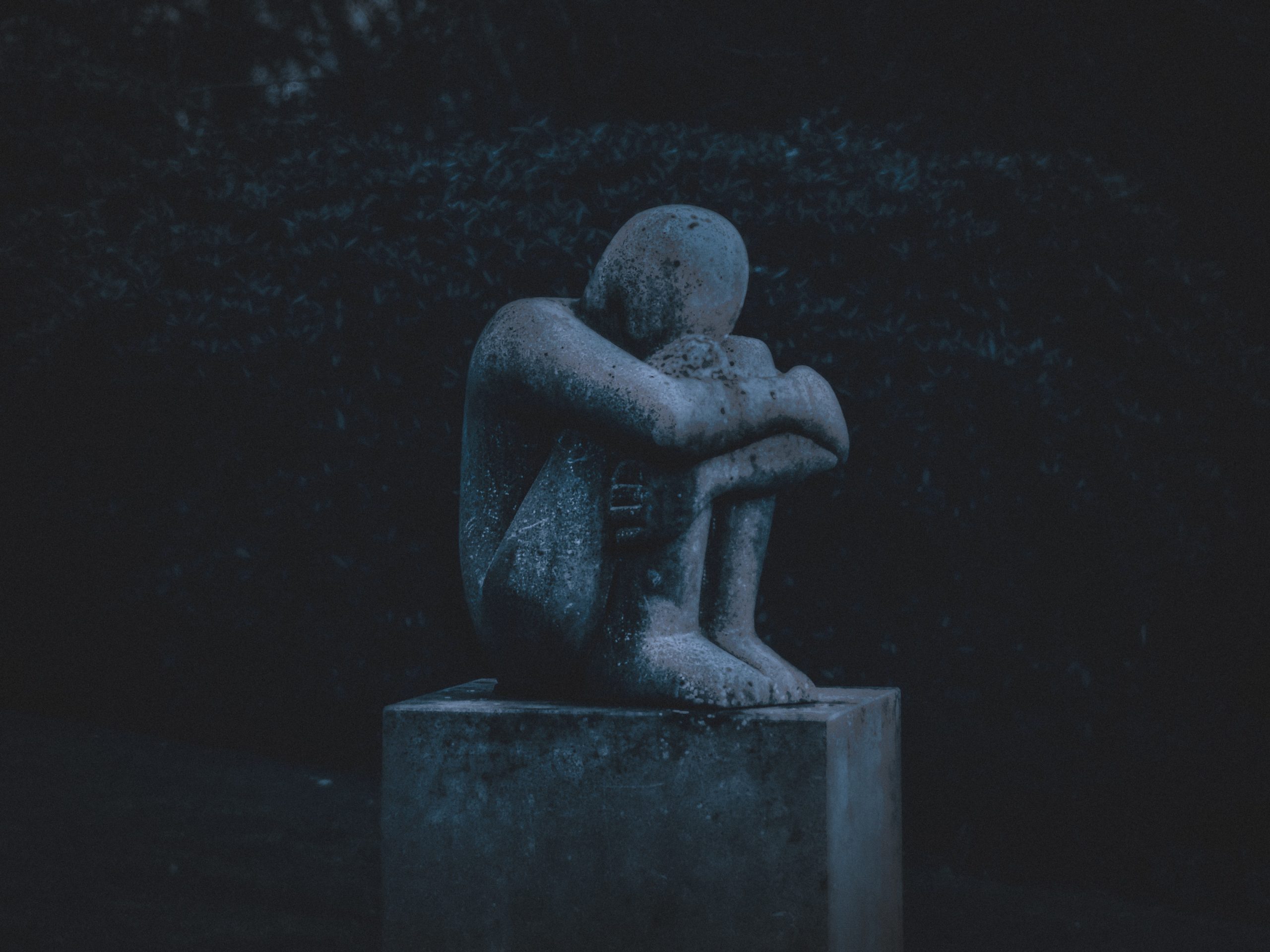
It’s not easy being a teenager, and these years bring a wide range of emotions. One day they’re laughing with friends; the next they’re weighed down by frustration, sadness, or stress. Negative emotions are part of growing up, but when they start to take over, they can drain a teen’s confidence, energy, and joy.
Many parents wonder how to help without sounding like they’re lecturing or brushing feelings aside. The good news is that with the right guidance, teens can learn to turn those stormy emotions into something brighter, positive energy they understand and use every day.
This article explores practical, creative, and encouraging ways to help teens move from clouds to sunshine.
How Negative Emotions Affect Daily Life
Negative emotions affect how teens act, think, and use their energy. A teen who feels anxious may avoid friends. A teen who feels angry may argue with family members. These feelings take energy and leave teens tired and unmotivated.
Over time, this pattern affects:
- School performance
- Friendships
- Confidence and self-worth
Parents who notice these signs early are in a better position to help.
Does Teen Stress Fade on its Own
 Stress rarely fades without support. Many parents hope teens grow out of it, but stress left alone tends to build. Negative emotions connected to stress grow stronger and harder to handle. Without guidance, teens may turn inward or seek unhealthy distractions.
Stress needs care, patience, and daily tools that help teens manage what they feel. Creative outlets give teens safe ways to express feelings without pressure. Music, art, writing, and movement help turn negative emotions into positive energy.
Creative Ways Teens Release Negative Emotions
- Playing an instrument or singing to release frustration
- Painting or drawing to work through sadness
- Writing poetry or journaling to explore anxious thoughts
- Playing basketball or running to release built-up stress
These activities help teens feel more in control of their emotions. Small routines make a big difference. Simple habits help replace negative emotions with calm and focus.
Simple Daily Habits That Build Positive Energy
- A five-minute breathing exercise before homework
- Writing down three good things each evening
- Spending ten minutes outside after school
- Listening to upbeat music in the morning
These habits support better mood and energy throughout the day.
Teens respond best when conversations feel supportive rather than controlling. Coaching conversations involve listening, asking open questions, and guiding teens to think about their choices.
Instead of lecturing, parents can ask:
- “How did that make you feel?”
- “What helped you today?”
- “What’s one thing you’d like to try tomorrow?”
This approach encourages teens to reflect on their emotions and discover solutions with guidance, not pressure.
With consistent support, creative outlets, and positive routines, teens develop skills that last into adulthood. They learn that emotions are not permanent and that they have the power to turn difficult feelings into energy for growth. This resilience prepares them for future challenges and helps them thrive.
Parents who worry about their teen’s negative emotions should know that wishing these feelings away is not enough. Sometimes deeper issues are present, and professional guidance is needed to uncover them.
If your teen is struggling, call the numbers listed here or schedule a session with a counselor experienced with teens today. Support from a professional can make the difference between a storm that lingers and a brighter future filled with sunshine.
Photos:
“A large storm”, Courtesy of Unsplash.com, Unsplash.com, CC0 License
 Grace Mavindidze: Author
Grace Mavindidze is an experienced Journalist of close to two decades and a certified SEO specialist writer who enjoys traveling, meeting people from a broad cultural spectrum, as well as engaging people in topics that are informative, entertaining,...
Recent Posts

DISCLAIMER: THIS ARTICLE DOES NOT PROVIDE MEDICAL ADVICE
Articles are intended for informational purposes only and do not constitute medical advice; the content is not intended to be a substitute for professional medical advice, diagnosis, or treatment. All opinions expressed by authors and quoted sources are their own and do not necessarily reflect the opinions of the editors, publishers or editorial boards of Stone Oak Christian Counseling. This website does not recommend or endorse any specific tests, physicians, products, procedures, opinions, or other information that may be mentioned on the Site. Reliance on any information provided by this website is solely at your own risk.