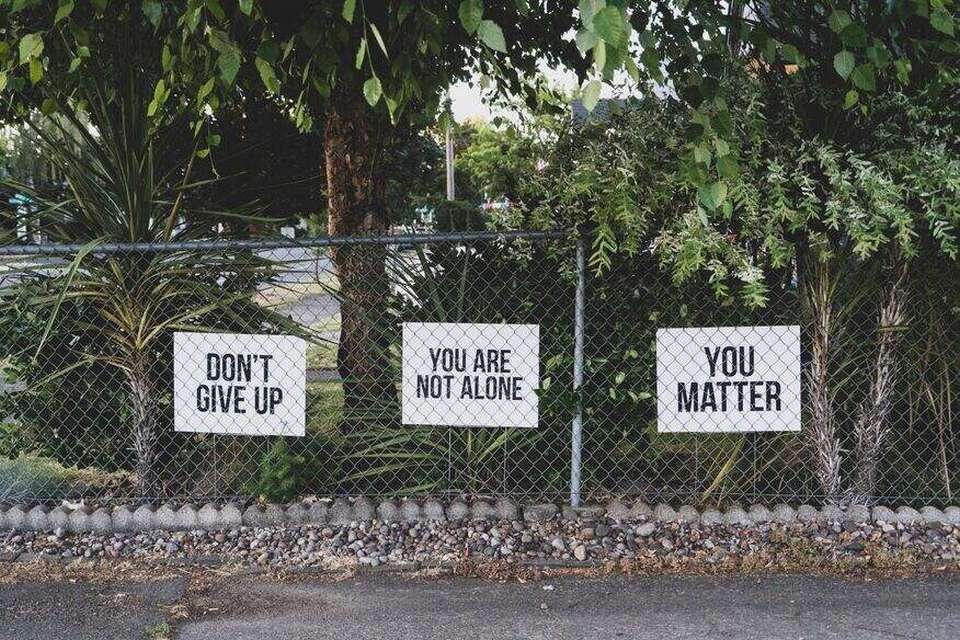
Social anxiety can keep you stuck. There are numerous opportunities available, yet you have a physical and emotional reaction to taking that first step. Whether it is crowded stores, events, or public speaking, social anxiety can lead to physical and mental issues.
Being aware of the causes of social anxiety and strategies for how to gain control will help you experience life and fulfill your purpose and calling.
8 Social Anxiety Causes
Social anxiety causes can vary, and not everyone is affected the same way. Two people can grow up in the same environment, and one can develop social anxiety while the other becomes a social butterfly, flitting between groups and events easily.
The following is a list of common causes of social anxiety.
Bullying
Bullying robs an individual of self-esteem and establishes a fear of judgment and rejection. Often, these stem from experiences with bullying during childhood and then follow a child into adulthood. Adults can also face bullying in the workplace or at school from other adults. Harassment may not be physical, but the emotional upheaval can trigger social anxiety.
Public Ridicule
Many people fear public speaking because they are concerned with how others will perceive them. If they were made fun of by others, laughed at, or set up for public ridicule, they may avoid any social functions. These individuals may try to blend into the background to keep from attracting attention. Public ridicule could have been in the form of the person’s appearance, clothing, smell, status, or past behavior.
Growing Up in a Household with Social Anxiety
If you lived in a household where a family member suffered from social anxiety, you may be at a higher risk of developing the condition. Perhaps your family member felt fear when the doorbell rang or had panic attacks while Christmas shopping. If you were a child, you might associate these events with something bad.
Genetics
Genetics combined with other social anxiety causes, such as bullying, can increase your risk of developing social anxiety. The serotonin transporter gene, known as SLC6A4, among other genes, can change brain function and structure. These changes increase your risk. Tackling lifestyle changes as early as possible can help reduce the risk.
Brain Chemical Imbalance
If you have lower levels of specific brain chemicals, such as serotonin and dopamine, you may struggle to regulate your mood and manage fear responses. Exercise promotes these brain chemicals and can boost your mood and lessen the effects of anxious thoughts.
Issues with the Amygdala
The amygdala is a region of the brain that regulates the response to fear. When there are issues with the amygdala, you may feel a heightened sense of fear of events or things that should not elicit such a response. The structural issues of the amygdala can also make it difficult to calm oneself when confronted with a trigger.
Negative Self Talk
The words we say to ourselves become the beliefs that we hold dear. For example, if you think that you never know what to say at parties or that people will judge you at an event, or that you will offend someone by the way you look or smell, these thoughts form beliefs in your mind, even if these beliefs are not true. Learning how to identify and change negative self-talk is the first step to overcoming social anxiety.
Learned Helplessness
 Learned helplessness only serves to diminish any control you may have gained over social anxiety. You simply stop trying to engage in social functions and withdraw, believing that your efforts are in vain. You may have experienced repeated rejection or feelings of awkwardness to the point that you have convinced yourself that it is better to isolate. This learned helplessness cycle only makes social anxiety symptoms worse.
Ways to Gain Control Over Social Anxiety
Regardless of the social anxiety causes, you can gain control over the symptoms with a combination of lifestyle changes and learned skills. A healthier lifestyle can alleviate symptoms of anxiety and panic attacks.
Consider the following:
Prioritizing sleep Aim for good quality sleep, which for many people is seven to nine hours of sleep nightly. Establish a nightly routine to help you wind down after a full day.
Eating healthier foods Include whole foods and reduce ultra-processed foods. Ultra-processed foods can contribute to anxiety and depression symptoms. Choose whole foods, such as lean protein, healthy fats, complex carbohydrates, and fresh fruits and vegetables, instead of packaged foods.
Aiming for at least 150 minutes of moderate exercise or 75 minutes of vigorous exercise per week Heart-pumping exercise can signal the release of endorphins, reducing pain, regulating emotions, and building self-confidence. Even a brisk walk a few days a week can help with anxiety.
These three lifestyle changes can lower anxiety and stress hormones and increase brain chemicals that boost mood. They also help to regulate emotions. Make changes to your routine slowly to include sleep, nutrition, and exercise.
Let’s consider several skills you can learn to gain control over social anxiety.
Gradual Exposure
Placing yourself in a social situation in a controlled environment for a length of time is gradual exposure. This exposure puts you in control, as you can choose both the social interaction and the length of time.
For example, if you have trouble shopping in stores without having a panic attack, consider choosing a less busy store or time to shop. Bring a short list and only shop for what you need. After you have completed your task, note if you feel more confident. Repeat until you feel comfortable. Eventually, you can try shopping at a busier time or at a larger store.
Relaxation Techniques
Relaxation techniques can help to activate the parasympathetic nervous system, the system responsible for feeling calm and able to manage emotions. This system balances out the stress hormones that create the fight-or-flight sensation.
When you practice relaxation techniques, like deep breathing and progressive muscle relaxation, you lower stress hormones, decrease resting heart rate and blood pressure, and calm nerves.
Role-playing
Role-playing can be done with a group or a counselor. You discuss what you are afraid will happen at a social gathering or outing. Next, someone role plays with you to help you discover and practice ways of staying in control of the situation, squashing negative thoughts, and pivoting when necessary.
Role-playing prepares you for the trigger and arms you with strategies to beat social anxiety symptoms.
Reframe Negative Thoughts
Sometimes the battle is in our heads. Negative thoughts can turn into strongholds. These beliefs make it difficult to try again after a failed attempt. Any rejection can confirm a negative thought, making it that much stronger.
Pulling down these strongholds means challenging and reframing these negative thoughts into realistic ones that will benefit you. Consult with a counselor about the negative thoughts surrounding you over social anxiety.
Check in with a support group
A support group can encourage, advise, and challenge you and your negative thoughts. Joining a support group initially is a big leap for many people struggling with social anxiety. Your counselor may keep the group small or choose to hold sessions virtually.
You can hear from others about their experiences and listen to how participants manage their own symptoms and triggers. You can role-play social situations and lend your own advice to people struggling with a similar trigger or situation.
Accessing Help for Social Anxiety
If social anxiety has you stuck, reach out to our Christian counseling center today to schedule a session with a counselor specializing in social anxiety causes and treatments. You can gain control and manage symptoms while enjoying life and nurturing relationships, but it may take lifestyle changes, counseling support, and psychological strategies.
Your counselor can discuss various treatments best suited for your symptoms and situation, including Cognitive Behavioral Therapy (CBT), an effective treatment for numerous mental conditions. Contact our office or browse our online directory today to learn more.
Photo:
“Teens”, Courtesy of Yunus Tuğ, Unsplash.com, Unsplash+ License
 Bryan Ferguson: Author
I believe that every person is immeasurably valuable, unique, and made in the image of God. Sometimes having a compassionate therapist who will create a safe, nonjudgmental space for you to share your emotional burdens can be the greatest catalyst fo...
Recent Posts
- Kate Motaung: Curator

DISCLAIMER: THIS ARTICLE DOES NOT PROVIDE MEDICAL ADVICE
Articles are intended for informational purposes only and do not constitute medical advice; the content is not intended to be a substitute for professional medical advice, diagnosis, or treatment. All opinions expressed by authors and quoted sources are their own and do not necessarily reflect the opinions of the editors, publishers or editorial boards of Stone Oak Christian Counseling. This website does not recommend or endorse any specific tests, physicians, products, procedures, opinions, or other information that may be mentioned on the Site. Reliance on any information provided by this website is solely at your own risk.