Our emotions are an important part of being human, so acknowledging them and learning to express them in healthy ways promotes our well-being and flourishing. We are told in the Bible that human beings are made in God’s image, that we reflect who God is (Genesis 1:27).
God rejoices over people turning from the things that destroy their lives, and He gets angry over what diminishes His creation. So, it is no surprise that we, too, have things we rejoice over and things that elicit a reaction of anger from us.
Though we are made in God’s image and reflect him, the Bible goes on to tell us that we no longer reflect God perfectly (Genesis 3). We get angry, but our anger can be destructive. We sometimes get angry when the situation does not warrant it, and we do things in anger that we regret, either immediately or down the line. We, too, rejoice, but we can rejoice at the downfall of someone we would term an enemy, while God does not.
While our having emotions remains an integral part of being reflections and images of God, we need to learn to regulate our emotions so they align with the life God desires for us and the world.
Causes of Anger
Anger is a natural response to stimuli perceived as threats. A variety of things can trigger it. Some examples are stress and worry over personal problems such as finances, impatience, feeling that the people around you do not appreciate your opinion or efforts, and experiencing injustice or unfair treatment.
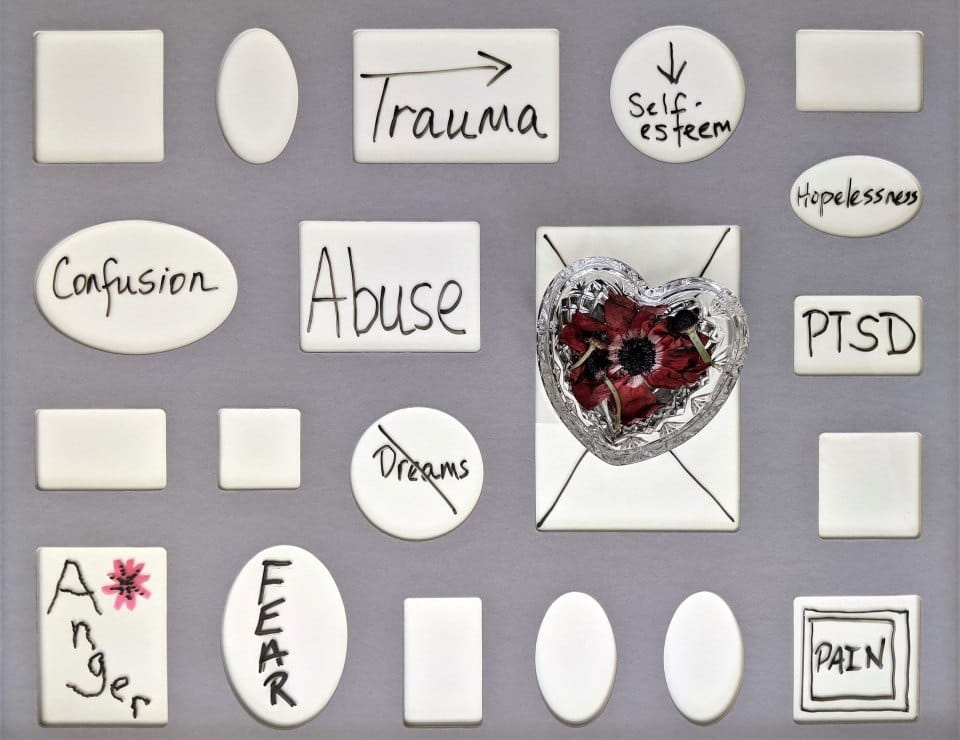
Memories of traumatic or enraging events can also cause anger, although we often might not realize the anger links back to those memories or events. It can also be a symptom of a mental health problem such as depression or bipolar disorder, among others.
When you are angry, it is your body alerting you that something is not quite right. Your anger can lead you to address your concerns or help you do something positive to fix a situation. If people are taking advantage of you and you get angry over it, that anger can help you protect yourself.
Being angry is not always a bad thing; it has its place. What we need to be careful of is how we respond to that anger and what we do with it. Some expressions of anger, such as a violent physical or verbal outburst, are harmful to you and the people you direct that anger toward. Finding more appropriate ways to express anger will promote your health and the health of your relationships.
Controlling Your Anger
Since anger is something that is common to us all, finding ways to deal with it constructively can only be helpful for us. It is important to note that not every way of dealing with anger that is available to us is helpful. You can choose to suppress your anger, but this can end up causing your anger to turn inward on yourself, and this is not helpful.
Expressing your anger can land anywhere on the scale from a reasonable and rational discussion, talking through your concerns, to a violent outburst. Below are a few ways you can control your anger and channel it in positive ways.
Acknowledge what you are feeling
If you do not know what you are dealing with, it is hard to know how to rein it in or channel it in a positive direction. By acknowledging what you are feeling and identifying it, you can begin to understand what you are feeling and get to the bottom of it. When it comes to anger, sometimes it has an obvious underlying cause, while in other cases, you may have to dig a little deeper.
 You may lash out at your colleague for presenting sloppy work, but perhaps what you are angry about is the unresolved fight you had that morning with your spouse or the hurtful comment one of your children made. This displaced anger can plague you for an entire day, but it also has the potential to affect your whole life.
For example, anger at being betrayed by a loved one may spill over into every other area of life. Still, without taking the time to assess precisely why you are angry, you may continue to lash out at others even when the provocation is nonexistent or not rising to the level that a strong reaction would be justified. To control your anger, you need to acknowledge that it exists, seek to understand where it is coming from, and take steps to address it.
Express your anger
The issue with anger is not so much that you feel it or that you are expressing it. In fact, if you struggle to express feelings of anger, that may point to the possibility of having anger issues. Anger, like our other emotions, ought to be expressed. However, there is a difference between healthy expressions of emotion and unhealthy expressions. Expressing your anger in healthy ways allows you to do so in helpful ways, and that is better than suppressing it.
There are even physical connections to how you express your anger. Keeping your anger pent up can be harmful to your health because suppressing your anger appears to make chronic pain worse, while expressing anger reduces pain. Additionally, there is some evidence that suggests that anger and hostility are linked with heart disease, high blood pressure, peptic ulcers, and stroke.
Expressing your anger is a healthy choice, so choose constructive expression. State your concerns and needs clearly and directly, without hurting others or seeking to control or manipulate them. Giving your anger a constructive outlet allows you a measure of control over it.
Give yourself room to process
Because anger is a reaction to an immediate situation, it urges you to act quickly. Jumping headlong into anger usually does not end well because our words and actions are not well thought out. Taking a step back from a situation that may be generating anger is probably the best thing you can do for yourself and the people around you.
Whether in the heat of the moment when you feel yourself getting angry or in the aftermath of it, take the time to process and walk away if you need to. By giving yourself the time you need to process, you give yourself the space you need to consider your anger and respond appropriately. And when you encounter the same situation at a later point, you will understand the dynamics a bit better and know what an appropriate response might be.
As part of giving yourself room to process, make it a practice that you do not jump to conclusions. Our anger is often generated and fueled by the hasty conclusions we reach. Instead of assuming you know what someone means and getting angry, you can give yourself room to process what they have said or done by asking them to explain what they mean. Not only does that give you room to process, but it can clear up any misunderstandings that generate unjustified anger.
The letter of James in the Bible gives us this wisdom: “My dear brothers and sisters, take note of this: Everyone should be quick to listen, slow to speak and slow to become angry, 20 because human anger does not produce the righteousness that God desires.” (James 1:19-20, NIV) Slowing down to listen can benefit you and those around you.
Relax and calm down
 You can also choose to deal with your emotions by calming down. This is when you take steps to get your outward behavior and your internal responses under control by calming yourself and letting your feelings subside. You can do this by stepping out of the situation entirely, for example, by walking out of the room.
You can also do this in a situation, for instance, if you are in an important meeting or conversation and walking away is not an option. You can calm down by taking deep, measured breaths or by practicing progressive muscle relaxation, which allows you to focus your thoughts and body on what your muscles are doing.
Laugh at yourself
While it may not seem like it, laughter does wonders in changing the tone of most situations. Laughing at yourself and the situation can take the edge off and give you a different take on things. Laughter lowers your stress hormones and relaxes your muscles, soothing tension not only in your body but also in the situation. Even if it is a little forced, a smile or a chuckle can turn things around and help you get your anger under control.
Next Steps for Anger Management Therapy
Anger is an emotion that, when managed well, leads to positive action and resolution of concerns. However, if it is managed poorly, anger can devastate relationships and undermine your own health. If you struggle to control your anger, find help from an anger management therapist who can help you develop the toolkit you need to bring your anger under control. Reach out to the reception team for more information.
Photos:
“Buds”, Courtesy of Olga Deeva, Unsplash.com, CC0 License; “Buds”, Courtesy of Olga Deeva, Unsplash.com, CC0 License
 Dewayne Smith: Author
With a steady, caring, and empathetic attitude and with Christ as my example, I will meet you where you are to help lift you up. No matter where you are in your journey, I will work with you to discover what empowers you and allows you to see your ch...
Recent Posts

- Kate Motaung: Curator

DISCLAIMER: THIS ARTICLE DOES NOT PROVIDE MEDICAL ADVICE
Articles are intended for informational purposes only and do not constitute medical advice; the content is not intended to be a substitute for professional medical advice, diagnosis, or treatment. All opinions expressed by authors and quoted sources are their own and do not necessarily reflect the opinions of the editors, publishers or editorial boards of Stone Oak Christian Counseling. This website does not recommend or endorse any specific tests, physicians, products, procedures, opinions, or other information that may be mentioned on the Site. Reliance on any information provided by this website is solely at your own risk.