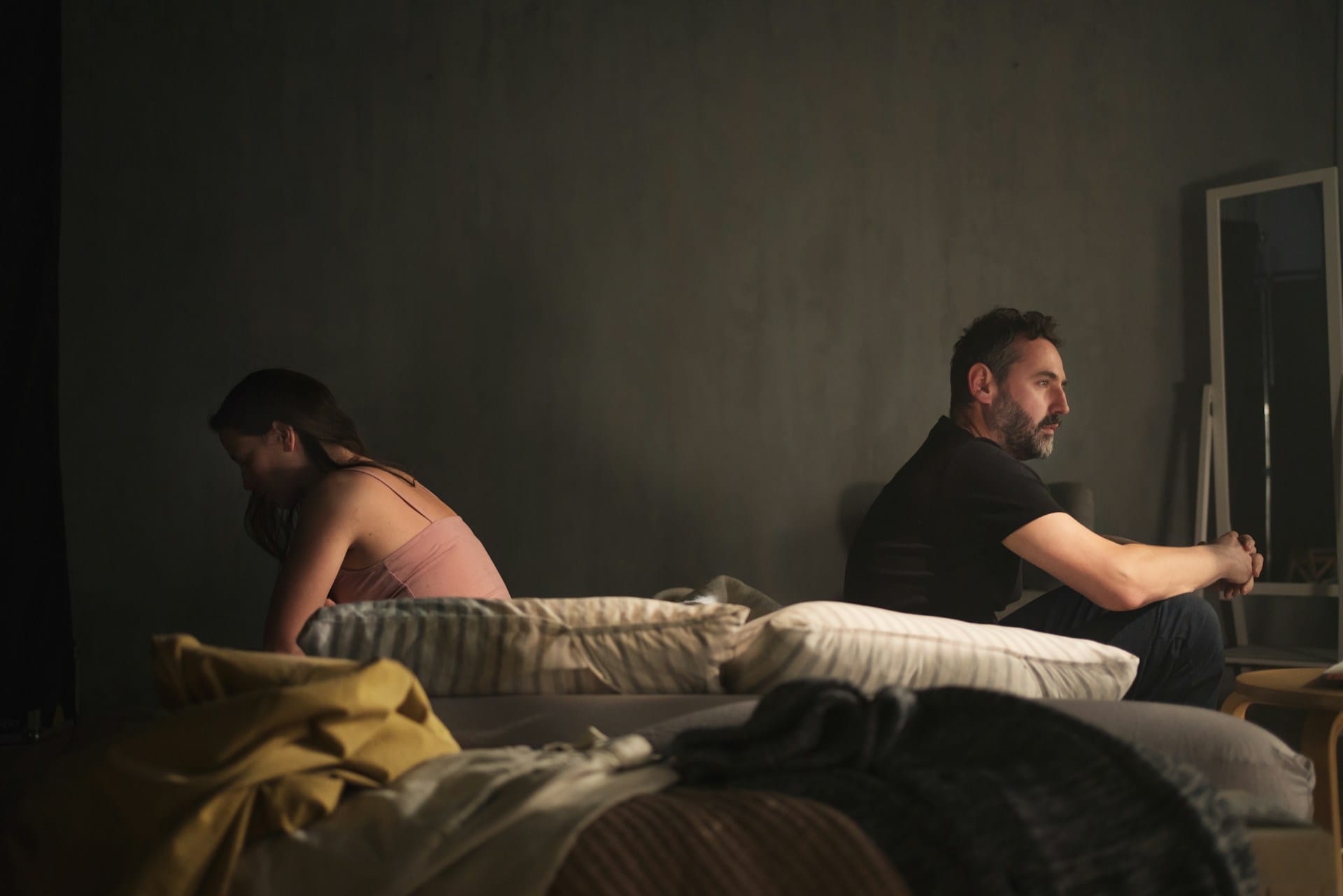
Sleep, blessed sleep. There’s a verse in Scripture that says the Lord gives His beloved sleep (Psalm 127:2), and that would suggest that sleep is a good thing and it is a gift. However, sleep anxiety is a reality for some who wrestle with it daily. Sleep and nighttime can be a significant source of anxiety that undermines one’s well-being.
Sleep Anxiety: What is it?
Many different things make people anxious. Among some of the more common are coming across a dangerous animal, encountering new situations, or being called upon to speak to a group, whether loved ones or strangers. Not everyone feels anxious about these things, nor does that anxiety feel the same for them. Others have their own things that make them anxious, and they could be a minority in that regard.
Anxiety is just one of the ways that our bodies try to look out for us and our well-being. It’s supposed to be a mechanism that alerts you to danger and then prepares you to act appropriately, either to avoid danger or to confront it where avoidance isn’t an option. The challenge is that, for a variety of reasons, anxiety can be easily triggered, or it can linger beyond the point of usefulness. Sleep anxiety is that sort of anxiety.
Sleep anxiety is a type of anxiety disorder. Anxiety disorders occur when a person’s anxiety is easily triggered by everyday situations, and the effects of the anxiety linger and are disruptive to daily functioning. A person with sleep anxiety experiences nervousness, heightened worry, or fear about their ability to either fall asleep or stay asleep. The cruel irony of sleep anxiety is that feeling concerned about sleep can itself disrupt sleep, creating a vicious cycle.
Several sleep disorders can afflict a person, and sleep anxiety falls into that broad category, especially if it also happens to overlap with insomnia as well.
Some Causes of Sleep Anxiety
If you experience sleep anxiety, it can be quite disruptive to what is meant to be a natural and healthy part of life. Where does this form of anxiety come from? A person can develop sleep anxiety for several reasons, including the following:
Stressors When you are experiencing life stressors such as a demanding job, relationships that are in crisis or a state of constant conflict, or if you’re facing financial pressure, these can feed nighttime rumination. During the day, activities such as chores, interactions with others, or your daily commute can keep distressing thoughts at bay. The lack of external stimulation at night means that such thoughts can resurface and even feel amplified.
Chronic Insomnia If you have several nights of bad sleep, your brain can begin to associate bedtime with frustration instead of rest. It’s possible, when you experience repeated difficulty falling asleep, to start becoming fearful of bedtime. You become conditioned to being wakeful, and even lying down to try to sleep can trigger anxiety.
Cortisol Disruptions The stress hormone cortisol has a role to play in our lives, but it can cause problems in excess. Typically, cortisol levels are lower at night, and this allows for rest. When a person’s cortisol levels are disrupted, perhaps by chronic stress or through poor sleep habits, if their cortisol levels remain high at night, their brain is receiving the signal to stay alert and awake, which makes restfulness and sleep hard to come by.
 In addition, if there are imbalances in brain chemistry, such as fluctuations in GABA, serotonin, or norepinephrine levels, they can disrupt one’s transition into a sleep state. If that keeps up long enough, sleep and bedtime can become sites of anxiety.
Underlying Mental Health Concerns Underlying health concerns such as depression, post-traumatic stress, panic disorder, or generalized anxiety disorder can drive bedtime anxiety. Conditions such as sleep apnea, restless leg syndrome, or sleep paralysis can also nurture a fear of experiencing sleep.
There’s a phobia – somniphobia – which involves an intense and irrational fear of falling asleep, or of the sleep process itself. Sometimes, the issue fueling it is one of being afraid to lose control, while for others, there’s the worry of dying in one’s sleep. This underlying condition can trigger bedtime anxiety.
Signs and Symptoms of Sleep Anxiety
There are several signs and symptoms that you can watch out for that could point to sleep anxiety. Identifying these signs helps you to seek assistance sooner rather than later, so that you can undo any unhealthy patterns that could continue fueling the sleep anxiety. Some of the behaviors to look out for would include:
Physical Tension You might experience restlessness, shortness of breath, sweating, muscle tightness, or a racing heart as bedtime approaches or when you attempt to lie down to try to sleep.
Persistent Worry About Sleep If you find yourself thinking early in the day or throughout the day about whether you’ll get enough sleep at night, or you feel a growing sense of panic or dread as nighttime and bedtime approach, that could point to sleep anxiety.
Irritability and Daytime Fatigue If you often feel sluggish, struggle to concentrate, and are irritable due to a lack of rest rooted in anxiety, that could also point to sleep anxiety.
Struggling to Fall or Stay Asleep If you spend long stretches of time tossing and turning before falling asleep, that could be a symptom of sleep anxiety.
Avoidance Behaviors Being afraid of bedtime or even taking steps to delay sleep on account of fear that sleep either will or will not come is another potential sign of sleep anxiety.
Sleep is supposed to be a welcome reprieve from the stresses and pressures of the day. A time to set down burdens and give your body and mind the rest they require. If sleep feels scary, or if you have uneasy feelings about sleep because of how scarce it is for you, these things could all suggest sleep anxiety. Thankfully, there are effective ways to overcome sleep anxiety.
Some Helpful Steps to Overcome Sleep Anxiety
Sleep anxiety can be caused by several factors, and so the solution will differ depending on the underlying issue, the intensity of the sleep anxiety, and how long it’s been an issue. Long-standing habits and patterns are harder to break, but they can be broken and replaced with healthier ones.
Steps to overcome sleep anxiety would include the following:
Make Lifestyle Adjustments Making changes to your lifestyle and diet can have a huge impact on sleep. Changes such as avoiding caffeine, alcohol, or taking heavy meals closer to bedtime can help your body and mind settle down and prepare for sleep better.
You can also keep a consistent sleep schedule, even during the weekend. Having a wind-down routine also helps you settle and get ready for bed, creating a better environment for sleep.
Employ good sleep hygiene Good sleep hygiene can make a monumental difference in whether you get quality sleep or not. An environment that’s conducive to sleep is helpful. Keep your bedroom cool, dark, and free from distractions like phones, gaming consoles, or a TV. If you use your bed only for sleep and intimacy, it can create and reinforce the mental association between being in your bedroom and sleeping.
Use mind-body techniques There are ways to calm yourself down if you’re feeling wired before bed. You could use deep breathing, progressive muscle relaxation, meditating on Scripture, or being mindful.
These things can all help reduce physical and mental arousal, helping you calm down and get ready to sleep. Taking time to journal your worries during the day can also help avert mental overload at night.
Seek counseling or therapy Several effective therapies can help you to deal with sleep anxiety. Cognitive behavioral therapy to address insomnia can help you to break any negative associations you may have with sleep.
Talking to a counselor or therapist can help you to make sense of any underlying trauma or anxiety that you experience about sleep. Reach out and talk to someone if you’re struggling with sleep anxiety.
With help from your counselor or therapist, you can build a healthy relationship with sleep. It’s possible to manage sleep anxiety and get to a place where bedtime doesn’t trigger dread or worry any longer, and drifting off to sleep feels restful and natural rather than forced. Instead of being a source of stress, sleep can become the restorative gift God intended it to be in your life.
Call us or browse our online directory to address your sleep anxiety with a Christian therapist today.
Photo:
“Naptime”, Courtesy of Tatiana Rodriguez, Unsplash.com, CC0 License
 Kasondra Collins: Author
I work with children, teenagers, young adults, individuals, and families who need healing and rest from anxiety, depression, traumatic experiences, relational struggles, and other wounds of life. As a Christian therapist, I aim to create a space of h...

- Kate Motaung: CuratorRecent Posts

DISCLAIMER: THIS ARTICLE DOES NOT PROVIDE MEDICAL ADVICE
Articles are intended for informational purposes only and do not constitute medical advice; the content is not intended to be a substitute for professional medical advice, diagnosis, or treatment. All opinions expressed by authors and quoted sources are their own and do not necessarily reflect the opinions of the editors, publishers or editorial boards of Stone Oak Christian Counseling. This website does not recommend or endorse any specific tests, physicians, products, procedures, opinions, or other information that may be mentioned on the Site. Reliance on any information provided by this website is solely at your own risk.